-
We Are Open 24/7
We Are Open 24/7
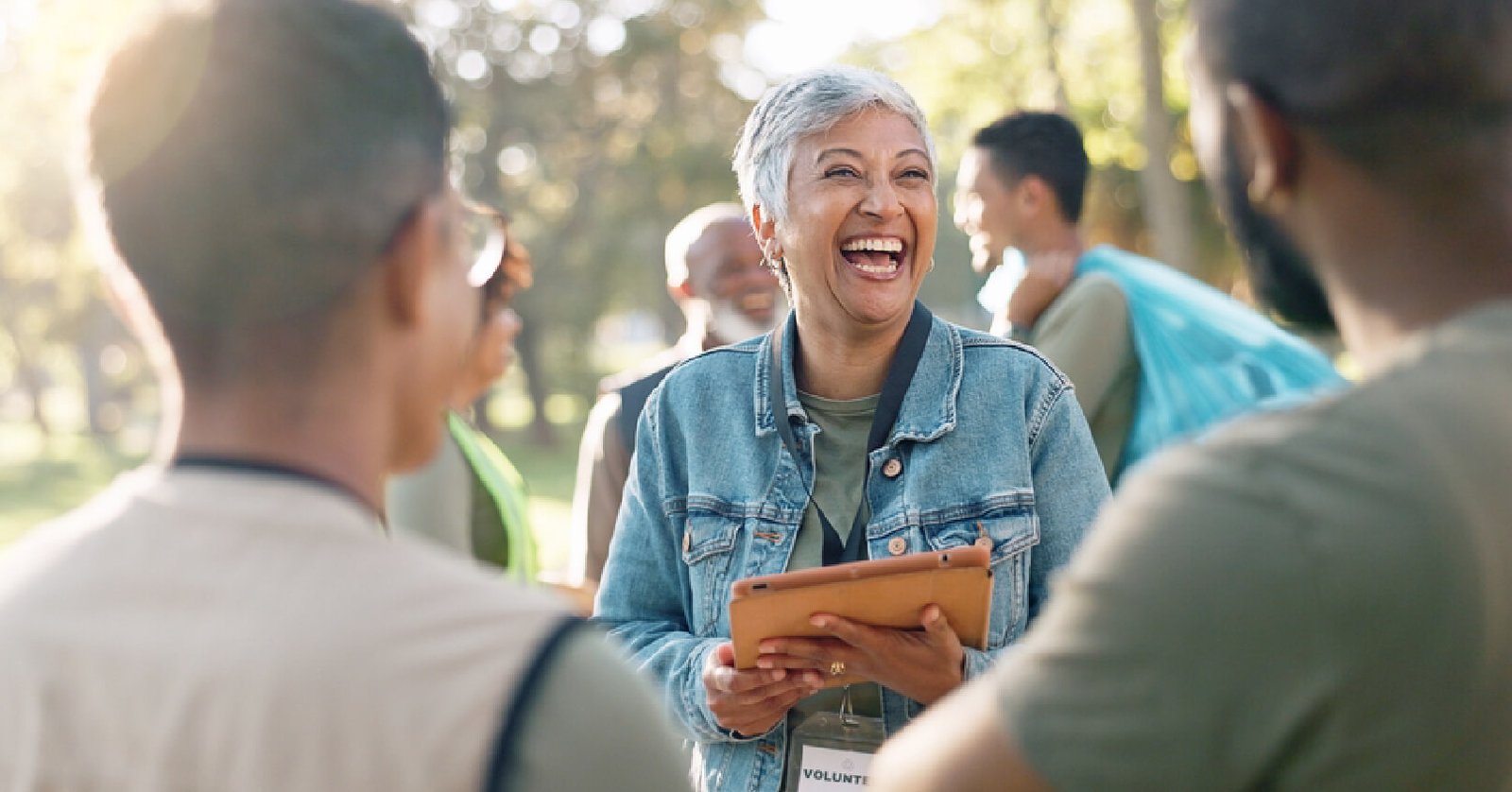
In modern Australia, the values of participation and social inclusion are more important than ever for people of all ages and abilities. Yet, for individuals living with disability, the path to genuine, everyday inclusion in their community can still be full of hurdles, both seen and unseen.
Community support services play a vital part in breaking down barriers, creating opportunities, and building inclusive neighbourhoods where everyone has the chance to contribute.
Community participation goes beyond having physical access to spaces. It involves being welcomed, valued, and empowered to shape your own day-to-day life. Supporto and like-minded organisations champion this by encouraging people with disability to join local clubs, classes, events, and volunteering opportunities. Tailoring support for each person, whether it’s assistance with transport, introductions to new groups, or training in self-advocacy, means that inclusion becomes more than just a policy, it’s a lived reality.
Sometimes, small changes have a huge impact. These might include:
Even in welcoming communities, social isolation, stigma, or fear of the unknown can still affect participation. It’s not just about physical obstacles like inaccessible venues, but also about attitudinal barriers, misunderstandings, low expectations, or lack of familiarity.
For people with disabilities, and their families, stepping forward can be daunting, especially if past experiences have been negative.
Ways that community support agencies help address this include:
Change is most sustainable when it comes from the ground up. That means working closely with local government, clubs, and residents to co-design activities and remove barriers to participation. Good practice includes:
When inclusion is planned from the outset, everyone benefits, not just people with disabilities, but the whole fabric of community life.

Support workers can make participation possible, but they do more than just provide physical help. A great support worker brings emotional encouragement, helps problem-solve challenges, and becomes a trusted partner in navigating group situations. Similarly, peer-led groups, where people with similar experiences connect and mentor each other, promote confidence and lasting relationships.
Consideration of these strategies increases independence and ensures that support adapts as a person’s interests and abilities change:
Belonging is a basic human need. Inclusion, participation, and the right support make it a reality. If you’re looking to join your community, break through old barriers, or need advice on local programs for yourself or a loved one, the Supporto team is here to help.
Reach out today to discover new paths and open new doors to real inclusion.

At Supporto, the safety and well-being of our clients are paramount. We are proud to announce that all our staff members are fully vaccinated against Covid-19. This commitment reflects our dedication to providing a safe and secure environment for individuals with disabilities under our care. By ensuring our team is vaccinated, we uphold the highest standards of health and hygiene, minimising the risk of transmission. Rest assured, our disability care services continue to prioritise the health and safety of both our clients and staff members.

In the spirit of reconciliation, Supporto Disability Services acknowledges the Traditional Custodians of this land. We pay our respect to their Elders past and present and extend that respect to all Aboriginal and Torres Strait Islander peoples today.