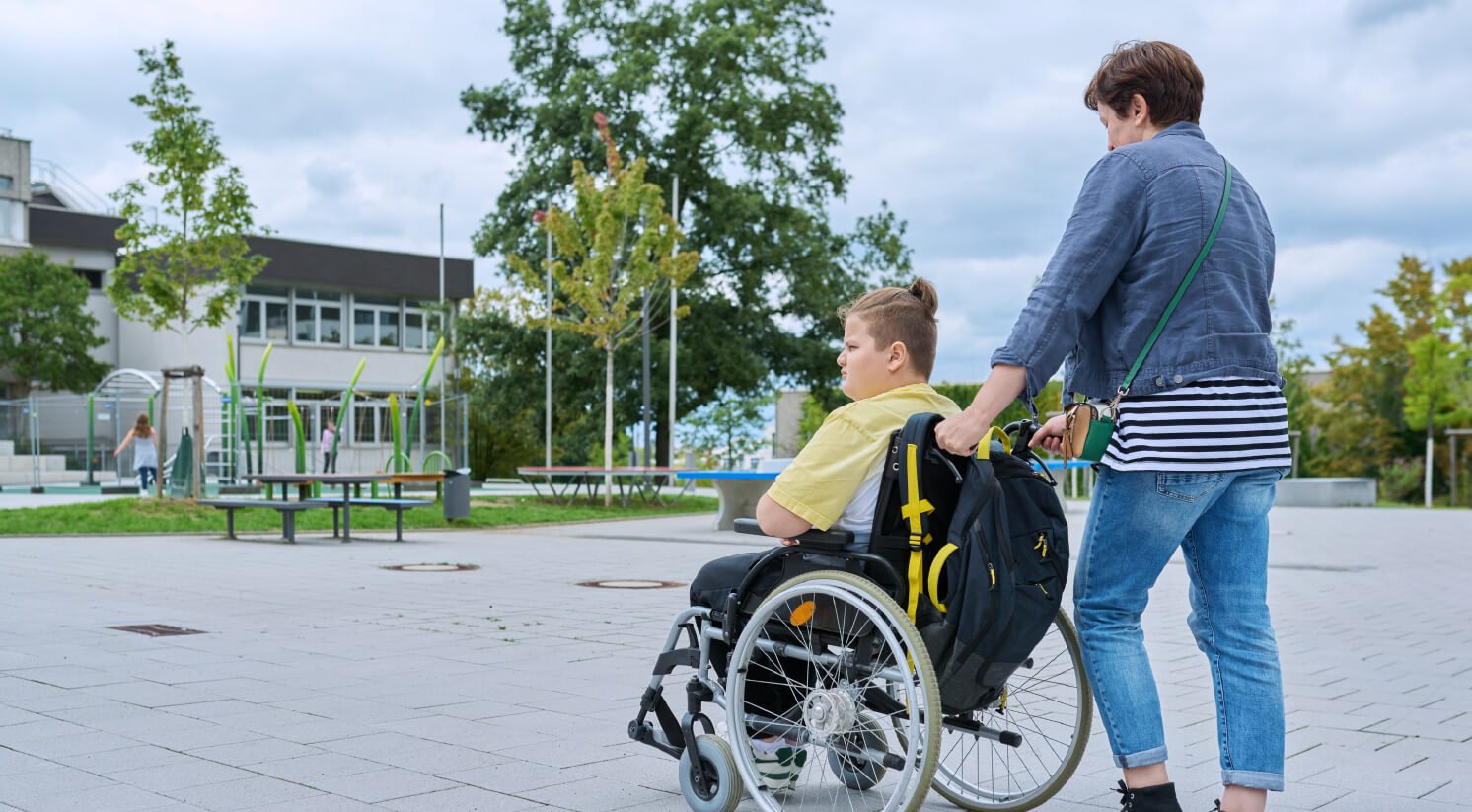
School Pick Up & Drop Off: Helping Students With Extra Needs
For students with disabilities or additional needs, the journey to and from school is much more than a daily commute. These transition times can dramatically affect a young person’s comfort, safety, and sense of belonging. An inclusive approach to school pick up and drop off recognises these moments as opportunities to nurture confidence, support independence, and set every child up for a strong start and end to their school day.
Families, schools, and specialist support services like Supporto all play essential roles in making these transitions smooth, safe, and positive no matter a student’s abilities.
Understanding The Challenges: More Than Just Logistics
Australian families whose children require extra support know that everyday routines often come with additional complexity. For the morning and afternoon school run, common challenges include:
- Navigating busy, noisy pick-up and drop-off zones, which can easily become overwhelming for students with sensory sensitivities.
- Anxiety around unfamiliar drivers, staff, or even other students, especially if there is frequent turnover in service providers or routines are not consistent.
- Physical demands for students who use wheelchairs, walkers, or other mobility devices, where accessible pathways and vehicles may not always be available.
- Communication barriers for nonverbal students, or those using AAC devices, leading to difficulty expressing needs, discomfort, or emergencies.
- The risk of being released to unauthorised individuals if schools and families do not share clear protocols.
- Fatigue and emotional regulation struggles at the end of a long school day, making transitions even tougher.
These issues can cause considerable stress for the young person and their family, setting a challenging tone for the entire day if not managed with planning, collaboration, and compassion.
Building Safe, Supportive Routines: What Works
A successful pick up and drop off strategy starts with predictability, respect, and a safety-first mindset. Consider these practical approaches:
- Clear routines: Visual schedules, checklists, or social stories help students know what to expect each morning and afternoon.
- Consistent staff/drivers: Whenever possible, use the same support workers and drivers so the student builds trust and familiarity.
- Preparation and communication: Advance notice of any changes to vehicles, aides, or pick up times should be standard practice.
- Designated waiting areas: Schools should provide calm, clearly marked spaces for pick up, separate from noisy or crowded general waiting zones.
- Accessible vehicles: All transport should be equipped with appropriate safety seats, ramps, or lifts as needed for each student.
- Sign-in and sign-out protocols: Students must be released only to their parent/carer or an authorised nominee, with identification checked if there is any doubt. Digital sign-in/out systems can make tracking smoother, particularly for out-of-school care or after-school programs.
For families:
- Share all relevant information about medical needs, communication preferences, or behavioural triggers with the school and transport providers.
- Update schools and providers with current contact details and authorised pickup persons, especially if orders or guardianship arrangements change.
- Be proactive in alerting all parties about anything out of the ordinary new medication, a tough morning, a different grandparent collecting, etc.
For schools and providers:
- Ensure all relevant staff have working with children checks and disability awareness/sensitivity training.
- Maintain up-to-date, documented collection procedures and communicate them regularly to families.
- Prepare for emergencies by keeping clear plans and support strategies on hand for evacuations, illness, or behaviour incidents.

The Extra Value Of Professional School Transport & Support Services
Specialist school pick up and drop off services like those available through Supporto make all the difference for many families:
- Expert drivers and support staff: Trained in first aid, infection control, disability awareness, and safe handling of mobility equipment.
- Hygiene and safety standards: Regular vehicle cleaning, strict illness policies, and the option for child-specific extras like hand sanitiser or masks help keep vulnerable students healthy, especially post-pandemic.
- Personalised planning: Routes, timing, and protocols are tailored to each student’s strengths and challenges.
- Traffic navigation: Professional drivers choose safer routes, plan for traffic, and avoid unnecessary stress or lateness for students with anxiety.
- Strong communication: Real-time alerts, ride tracking, and direct contact for families make it easy to check on children and coordinate pick up times.
- Partnership with schools: Coordinating with teachers and school admin ensures someone is always available upon arrival, even if day-to-day routines change unexpectedly.
Professional providers can often accommodate a broader range of family schedules and after-school activities, ensuring children arrive safely for therapies, sport, or appointments, not just for the school bell.
Collaboration: Everyone Playing Their Part
The foundation of great pick up and drop off for extra needs students is a culture of open, respectful collaboration.
This means:
- Shared responsibility: School staff, families, drivers, and aides each play a critical role in ensuring consistency and safety.
- Regular team meetings or feedback sessions: Reviewing what’s working, changing protocols as needs grow and circumstances change, and always centring on the child’s wellbeing.
- Inclusive school policies: Schools should adopt and share clear collection and drop off policies, ensuring all families including those from diverse cultural or linguistic backgrounds understand procedures and their importance.
- Legal compliance: Schools must ensure only authorised carers can collect students, with documentation as required by state policy. Any security incidents must be escalated and documented thoroughly.
With a shared, proactive approach, small issues can be addressed early and positive habits reinforced, making the process less stressful and more empowering for all involved.
Make Every School Journey Safe & Supportive—Contact Supporto
Every student deserves to arrive at and leave school confidently, comfortably, and securely. With the right blend of practical planning, compassionate support, and professional care, pick up and drop off become uplifting and never daunting. If your child, family, or school needs support, guidance, or direct transport solutions for students with extra needs, Supporto is ready to help.
Call our friendly team on 1300 411 802 or fill out our online contact form, your wellbeing matters, and we’re ready when you are.